1. Safety check
Before sorting begins, the crew checks for hazards such as sharp objects, pests, mold and unstable piles. Protective gear is chosen to match.
Providence, RI · Providence County
Is it time to ask for hoarding help in Providence, RI? A cleanup team can sort with the resident, protect keepsakes, remove trash and pest damage, and clean the home. Call (877) 812-4220 to ask questions.
If anyone is in danger, call 911 first. For a suicide crisis, call or text 988.
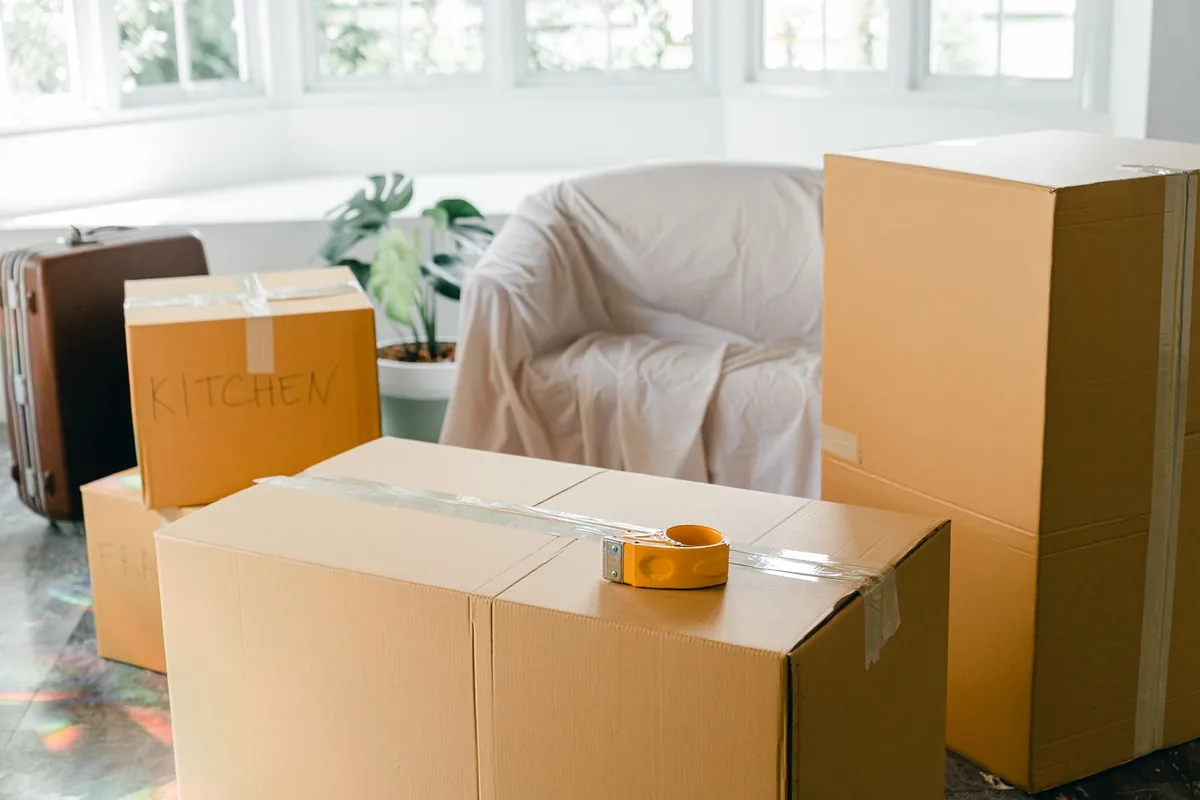
Hoarding cleanup services bring in people and equipment to do what is hard to do alone: protective gear, safe lifting, correct disposal and thorough cleaning. The result is a home that is safer and easier to use.
Not sure how to clean a hoarder house in Providence, RI? You can get the lifting and the cleaning done, the plan explained and every question answered for everyone involved. Call Providence Biohazard Cleanup Help for help in Providence County.
With roughly 59% of homes in Providence rented, landlords and property managers often ask for hoarder cleaning before an inspection or a new tenant. Only about 12% of people in Providence are sixty-five or older, but hoarding affects households of every age, and cleanup works the same way.
A typical hoarding cleanup job includes:
Before sorting begins, the crew checks for hazards such as sharp objects, pests, mold and unstable piles. Protective gear is chosen to match.
Some people prefer short visits, others long days. The plan is set around the resident, not around the clock.
Items go into keep, donate and remove groups. Spoiled food and unsafe items leave first.
A final look confirms that exits are open and key rooms are usable. Notes about repairs or pest control are passed to the owner.
Most hoarding cleanup jobs in Providence, RI cost between $500 and $25,000, based on published cost guides.
Hoarding cleaning prices change with the level of buildup. Lighter jobs are mostly sorting and hauling, while heavier ones may add pest damage, mold, ruined flooring or waste that needs special handling.
| Type of job | Typical range |
|---|---|
| Level 1, light | $500 - $1,500 |
| Level 2 | $1,000 - $3,000 |
| Most homes, per square foot | $1 - $2 per square foot |
| Level 4 | $5,000 - $15,000 |
Estimates only, not a quote. Sources: Dropcurb, Lifecycle Transitions. Price drivers include level of accumulation, home size, whether exits and rooms are blocked, pests or animal waste. Call (877) 812-4220 to talk through the job.
Small habits, such as one clear surface a week, help. Ongoing support from a doctor, counselor or local group can make progress last. The team can talk through simple upkeep ideas at the end of the job.
A crew with enough people and a clear plan, working room by room. Going fast without the resident's agreement often backfires, though, and the home can fill again. Clearing exits and hazards first is the quickest way to make a real safety difference.
Usually not for the buildup itself, since many policies exclude long-term conditions. A policy may help with a specific event such as a fire, a leak or a sewage backup. Read the policy, call the insurer before work starts, take photos and keep receipts.
Most often the resident or the property owner pays, and family members sometimes share the cost. In a rental, the lease and local law decide between landlord and tenant. Some local aging services or housing agencies help in some places, so it is worth asking.
Hoarding is often described in levels, and level one is the lightest. Clutter is present but exits and pathways are open, utilities work and rooms can still be used. Higher levels bring blocked rooms, sanitation problems and safety hazards.
A lightly crowded room may take a day, while a whole home with heavy buildup can take several days to a few weeks. The resident's pace, pests, mold and repairs all change the timeline. The team can estimate after seeing the home.
No pressure and no judgment, just a clear conversation about the next step.
Call (877) 812-4220